Trap
Get them before they get you.
Trash their breeding grounds.
Trap the rest.
How does trapping work? Traps target adult mosquitoes — the ones already flying and biting. They don’t eliminate mosquitoes overnight, but deployed consistently across a block they can meaningfully reduce populations over the course of a season.
Trapping works best as part of a system. Tossing → and treating → standing water cuts off the next generation. Traps deal with the adults already out there. The more households doing both, the more effective we all are.
Don’t expect miracles from a single trap in a single yard. Expect gradual improvement. And noticeably better results when your neighbors are doing it too.
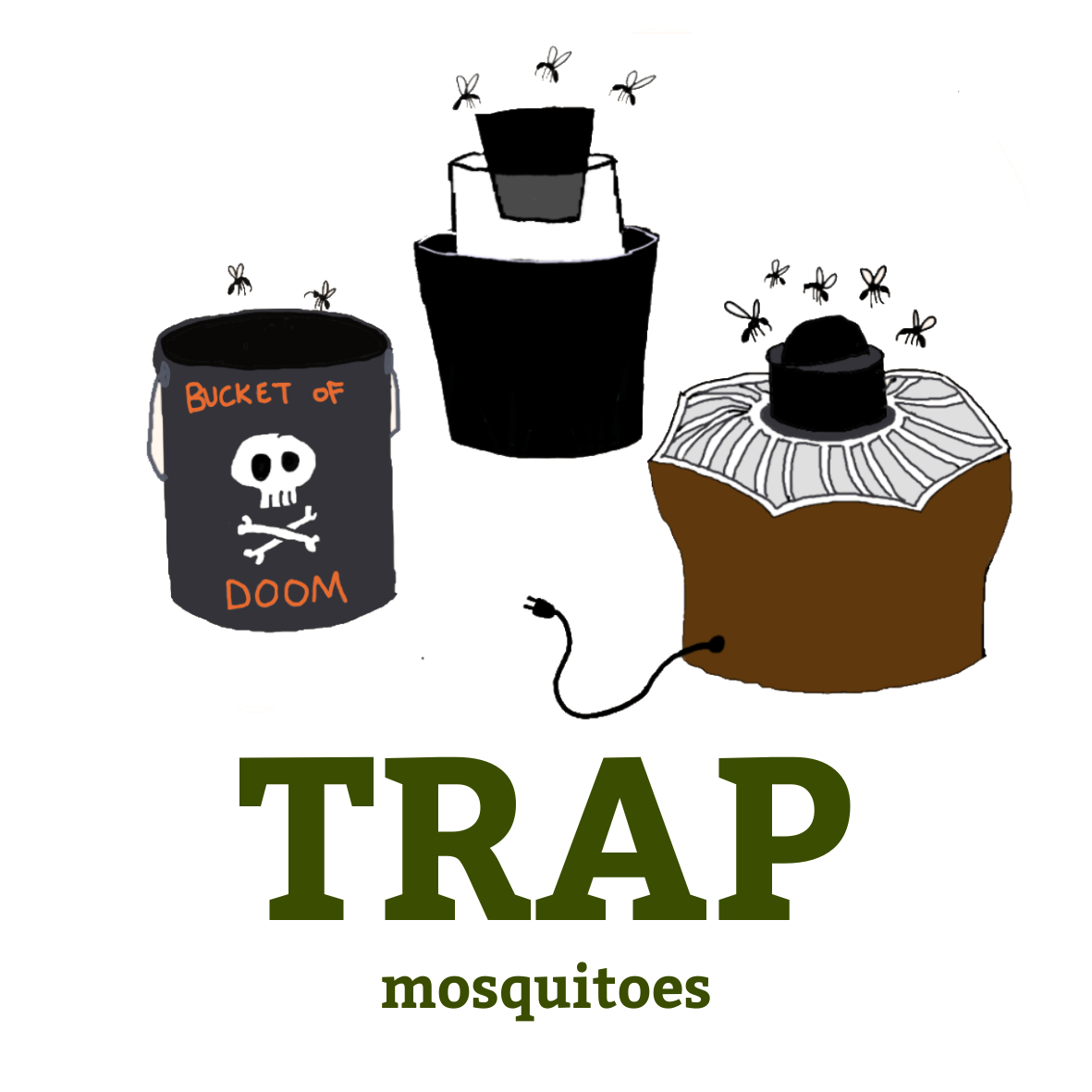
Three traps, three jobs.
A female mosquito bites to get a blood meal, then mates, lays her eggs in standing water, and those eggs hatch into more biters. Each trap intercepts a different point in that cycle:
- The Mosquitaire mimics a person and catches her while she’s hunting for that blood meal, before she ever bites or breeds.
- The GAT catches her afterward, when she’s searching for water to lay in.
- The Bucket of Doom treats the water itself, killing the eggs and larvae she leaves behind.
No single trap covers the whole cycle. Run more than one and you close the gaps.
then mates →
water →
Targets the eggs & larvae
Bucket of Doom
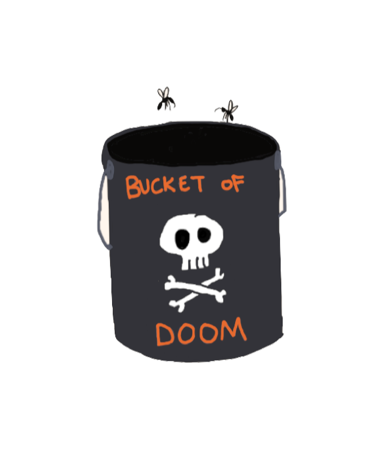
The most accessible trap is one you can make!
A dark-colored bucket filled with water and some organic matter mimics an irresistible breeding site — females fly in to lay their eggs and a Bti dunk kills the larvae before they hatch. No power, no moving parts, no chemicals beyond the Bti you’re probably already using.
Tips and tricks
Black buckets work best — they absorb heat and stay warm which mosquitoes love. Avoid white.
Aedes (e.g., tiger) mosquitoes lay eggs in cleaner water. Just a leaf or two and the bare minimum of Bti (1/4 dunk at most).
Culex (West Nile) mosquitoes like danker environments — for them, load up organic material.
Targets the egg-laying female
GAT (Gravid Aedes Trap)
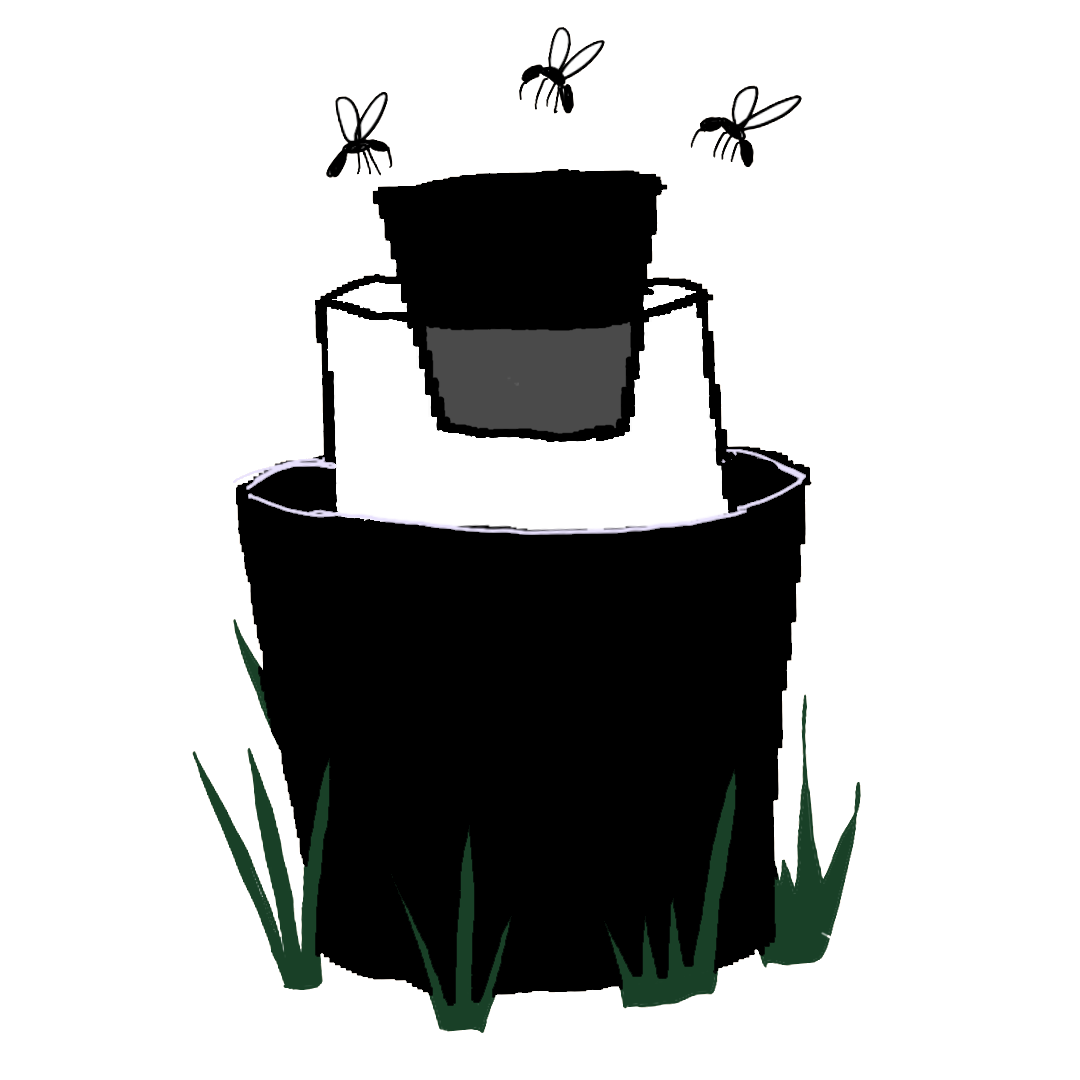
The GAT targets the same egg-laying female as a Bucket of Doom, but has a funnel on top, a sticky card inside and a net that prevents mosquitoes from ever reaching the water to lay eggs. Females enter the funnel to lay the eggs, get caught on the card and don’t make it back out.
Each adult female caught stops 50-100 offspring that cycle.
The committee has negotiated a community discount — $50 for 2, $250 for 12 — for our members, accessed via our community ordering page linked here.
Targets the host-seeking female
Mosquitaire
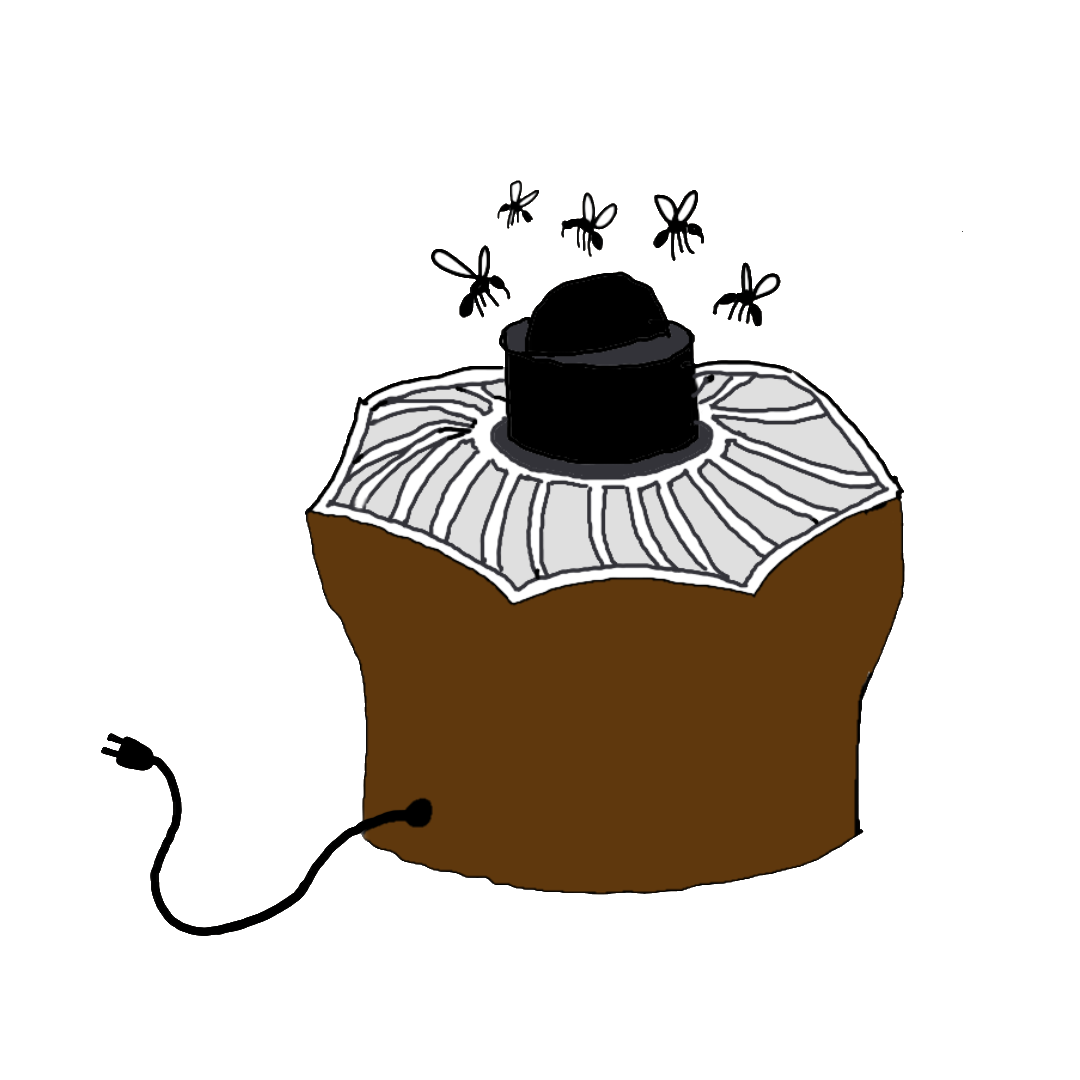
The Mosquitaire doesn’t mimic a breeding site — it mimics a person. A fan and Biogents’ proprietary BG-Sweetscent lure attract mosquitoes hunting for a blood meal. They get drawn in, can’t escape, and dehydrate.
It requires a power outlet and runs best left on 24/7 to catch as many mosquitoes as possible. Adding CO2 boosts catch rates by up to 400% and expands coverage to other species like Culex — the ones that carry West Nile.
The committee has negotiated a community discount — $150 for 1, $250 for 2 — for our members, accessed via our community ordering page linked here.
Carbon Dioxide (CO2): CO2 is optional but — from our experience — worth it for Mosquitaire owners. Your Mosquitaire can perform well just with the sweetscent packets but, we’ve been impressed by how much larger our catch rates have been with the addition of carbon dioxide.
Two approaches for adding CO2
DIY CO2: Mix warm water, sugar, salt and active dry yeast in a bottle beside the trap. Fermentation emits CO2 for a couple days — a cheap way to try before committing to a tank.
Canister CO2: More upfront cost and complexity, but lasts a few weeks. You’ll need to purchase:
1 x CO2 booster accessory to attach the canister to the trap
1 x 10-20 lb food-grade non-siphon CO2 canister.*
[Optional] A timer to limit CO2 usage to peak hours, extending the lifetime of the tank.
*You can purchase canisters and refills at local welding, beverage gas and home brewing suppliers. In the DC Area, check out Robert’s Oxygen and Airgas.
Full setup tips (e.g., tightening connections, testing for leaks, checking flow) in the FAQ →
Placement Tips
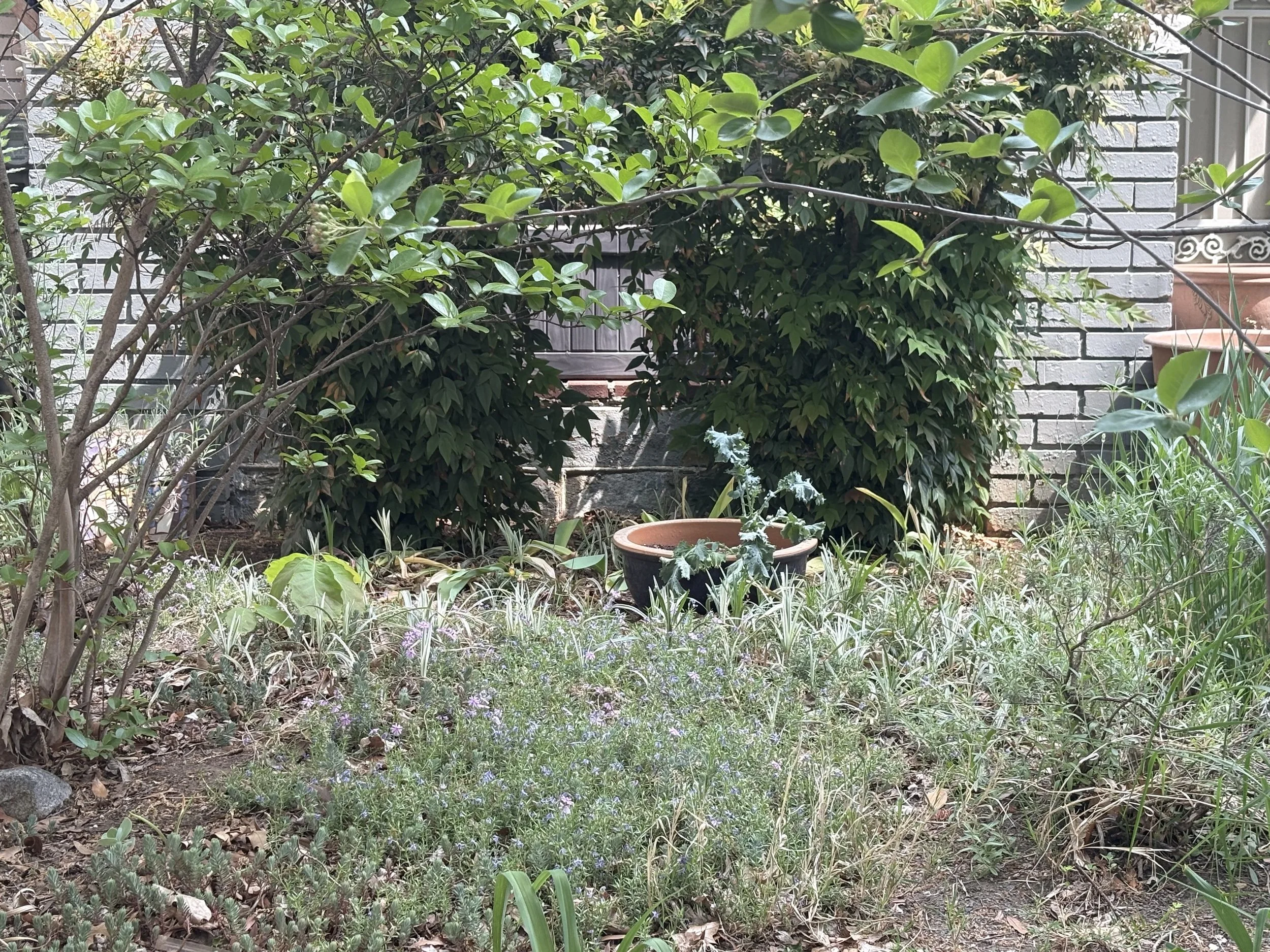
Where you place your trap matters as much as which trap you choose. Mosquitoes are weak fliers that seek shelter — a trap in a sunny, breezy spot will underperform the same trap tucked under vegetation two feet away.
Find your Block Captain →
At the end of the day, mosquitoes are wild creatures and don’t play by a rulebook. Experiment to see what works for your property and block!