
Can’t toss it?
Treat it.
Treating with BTi stops the next
generation of mosquitoes.
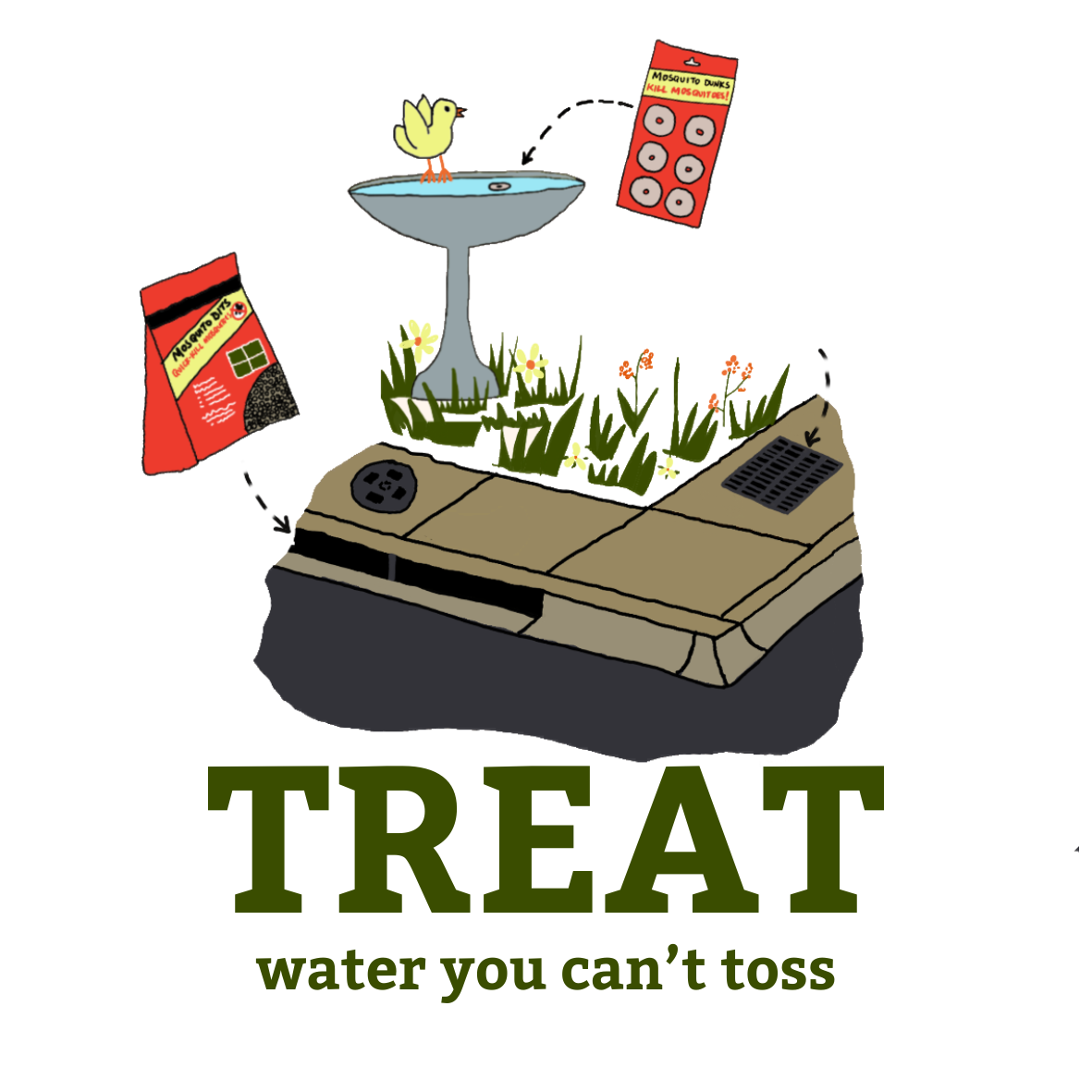
Why treat standing water? Some water sources can’t be emptied — ponds, rain barrels, catch basins. Left alone, they’re mosquito nurseries. Treating the water with larvicides kills the next generation before it hatches.
Most larvicides are broad-spectrum pesticides. BTi (Bacillus thuringiensis israelensis) is different — a naturally occurring soil bacteria that kills mosquito larvae when they ingest it and nothing else. No harm to people, birds, fish or pollinators. Safe near drinking water water. Used in mosquito control program worldwide for decades.
It doesn’t kill adult mosquitoes — that’s what trapping → is for. But treating and trapping together hit the population from both ends.
BTi products
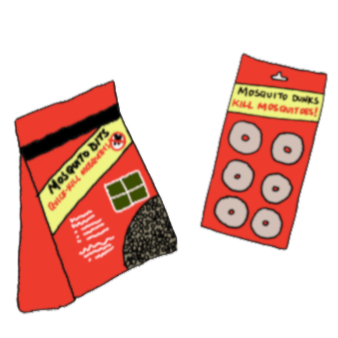
Two products, same active ingredient. Available at any hardware store for $10-20.
Mosquito dunks
Drop these donut-shaped BTi pucks into any standing water you can’t empty.
One dunk treats 100 sq ft for 30 days. Break it up for smaller surface areas.
Mosquito Bits
BTi granules for smaller or harder-to reach spots.
Faster acting, needs more frequent reapplication (every ~1-2 weeks).
Treating in your yard
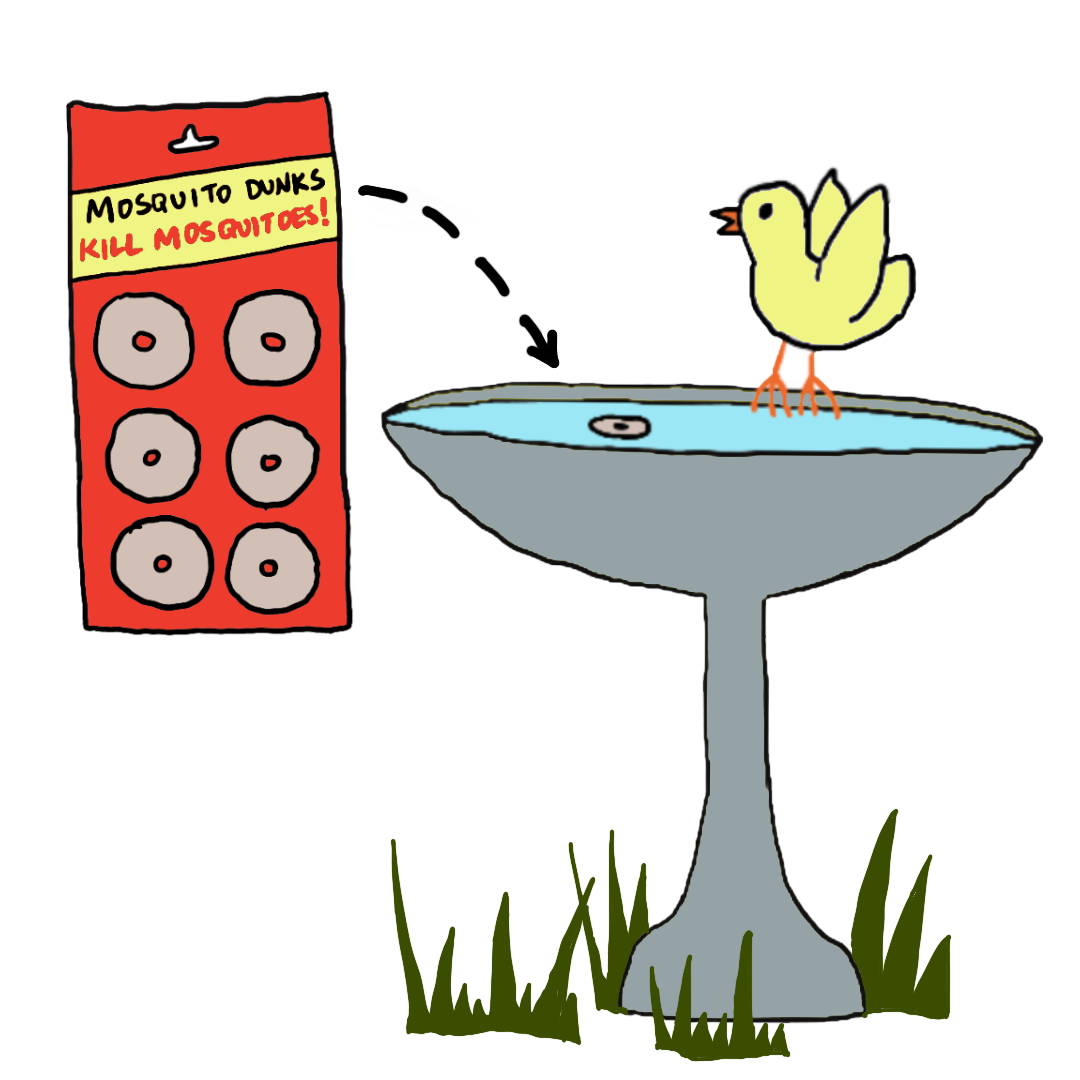
The obvious ones first: rain barrels, ornamental ponds, birdbaths, fountains, large planters. Drop a dunk in, mark your calendar for 30 days.
Then the spots people most often miss:
Corrugated downspouts. Clean them first if you can; treat if water still pools
Saucers under potted plants — easy to forget, always wet
Low spots in the yard that stay wet for days after rain
Mark your calendar when you treat. Dunks last 30 days; Bits need more frequent reapplication. A reminder in your phone takes 10 seconds and means you won't let a treated source lapse back into a nursery mid-summer.
Treating in public spaces
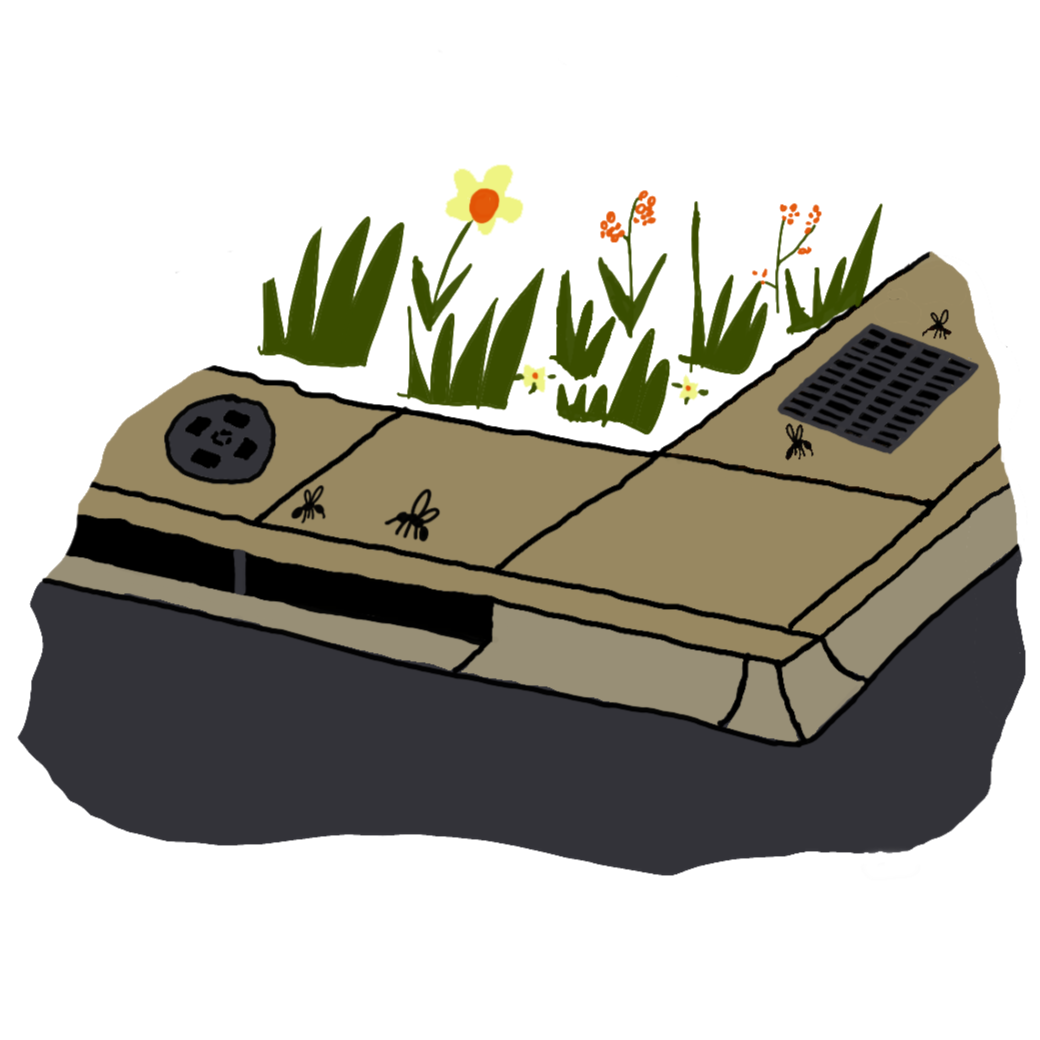
Some of the highest-volume breeding sites on the Hill aren’t on anyone’s property. Catch basins, underground utility vaults, and sidewalk grates all collect standing water — and most of it goes unreported.
DC Health will inspect and treat these sources with long-lasting larvicides, but only when they’re submitted as complaints.
See your reflection through a grate? Hear a splash when you toss a pebble in? Report it. Every submission demonstrates the scale of the problem our community is facing and builds the case for properly resourcing a team to handle it.