
TRADE mosquito-friendly plants for native alternatives
Removing invasive plants that mosquitoes love is one of the best things you can do for your yard — and replacing them with native alternatives makes it even better. Native plants support birds, dragonflies, bats and spiders that eat mosquitoes, and they do it by creating a healthy diverse ecosystem rather than targeting any one species.
Biodiversity is the goal. There’s no single magic plant — the more variety the better, including ground cover, shrubs, trees, grasses and flowers for our region.
Start by getting rid of the worst offenders. Here are three that are common on Capitol Hill:
-
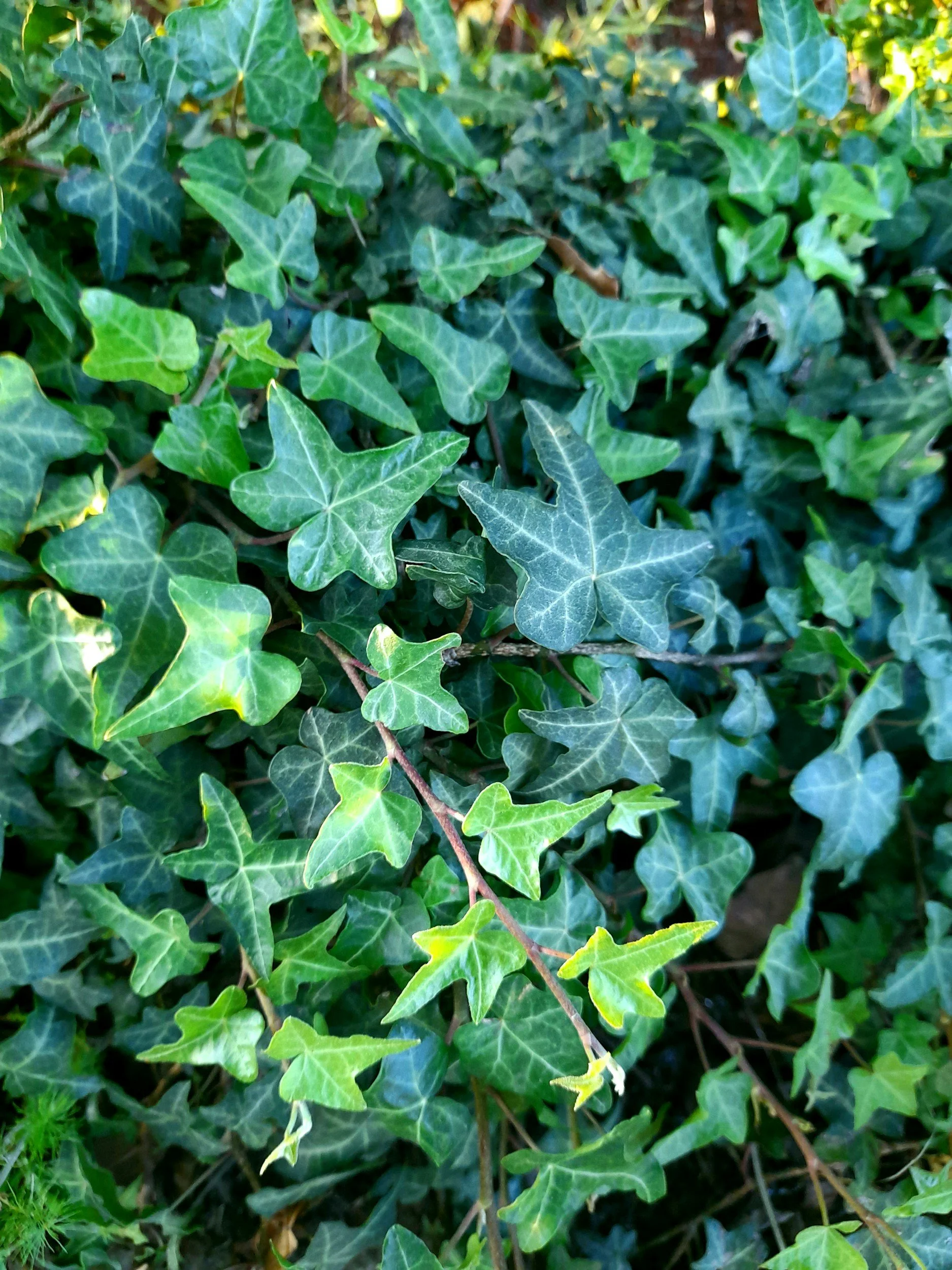
English Ivy → Golden Ragwort
English ivy’s dense, year-round ground cover keeps soil cool and moist — ideal resting conditions for tiger mosquitoes. Golden ragwort its a native alternative that also provides ground cover, blooms with cheerful yellow flowers in spring and actually supports pollinators instead of pests.
-
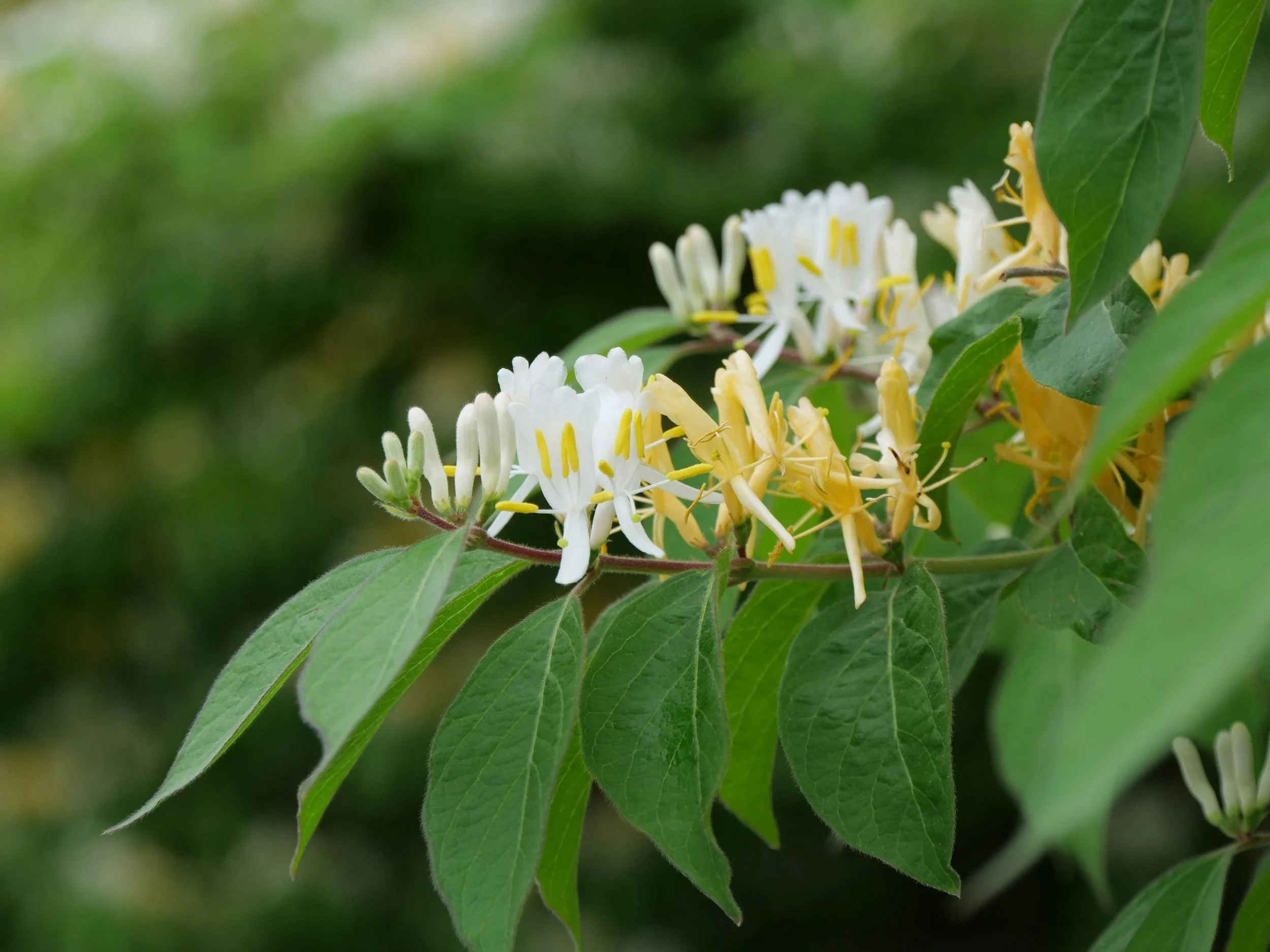
Invasive Honeysuckle → Coral Honeysuckle
Japanese and other invasive honeysuckles grow in dense thickets that create exactly the kind of shaded, moist microclimate tiger mosquitoes love. Coral honeysuckle is a beautiful native alternative that climbs just as well, blooms red and orange and attracts hummingbirds instead of mosquitoes.
-
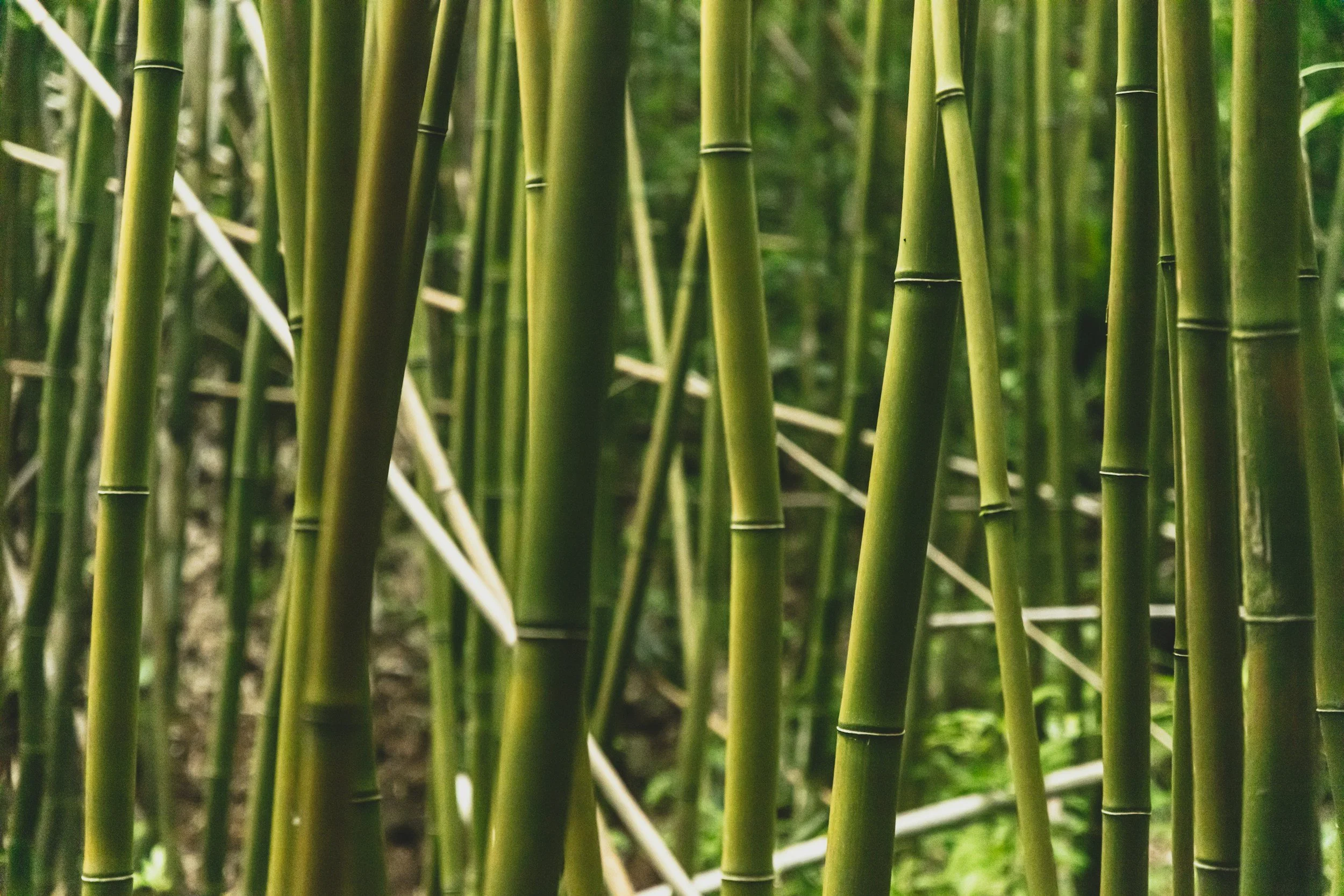
Bamboo → Switchgrass
Bamboo collects standing water inside its hollow stalks — each one a potential breeding ground with no easy way to drain. It’s also notoriously invasive and hard to contain. Switchgrass is an ornamental grass that provides similar height and privacy screening without the water-trapping problem, and supports a wide range of native birds and insects.